Why should I care about prints?
Image: Under the Wave off Kanagawa (Kanagawa oki nami ura), also known as The Great Wave, from the series Thirty-six Views of Mount Fuji (Fugaku sanjūrokkei) (ca. 1830–32), Katsushika Hokusai Japanese — Woodblock
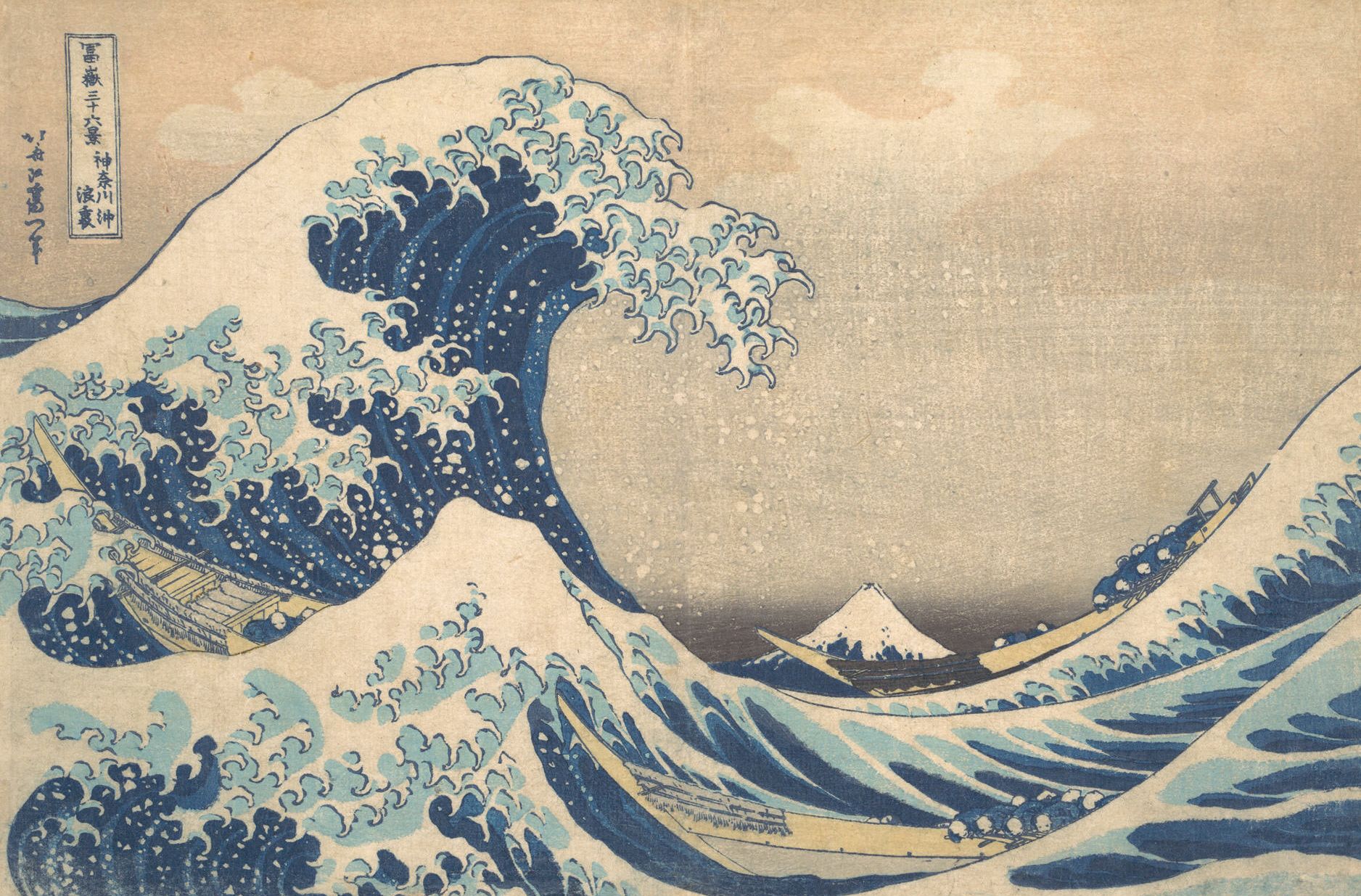
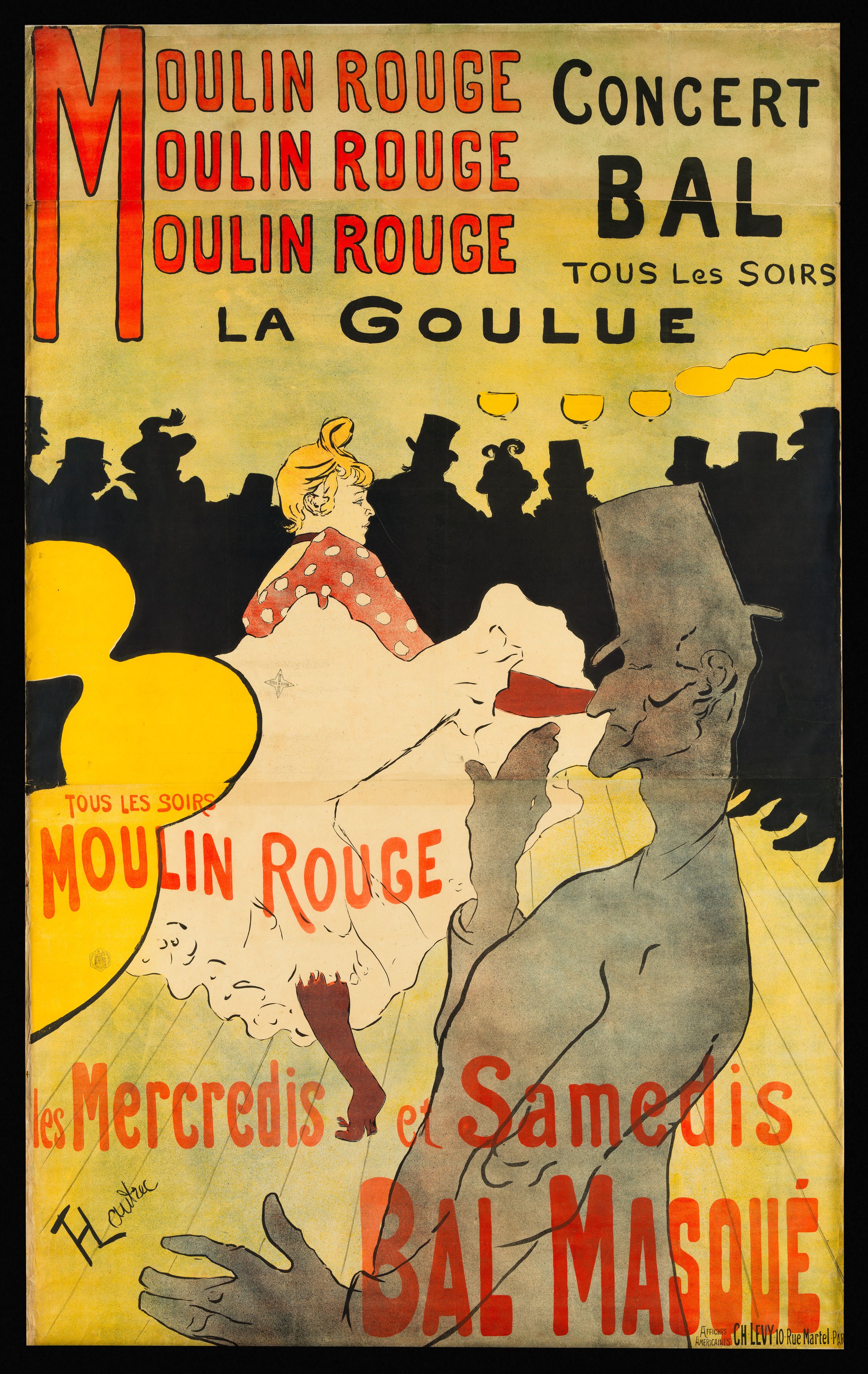
Image: Moulin Rouge: La Goulue (1891), Henri de Toulouse-Lautrec French. Printer Affiches Américaines, Charles Lévy — Lithograph printed in four colors; three sheets of wove paper
OK, so even if prints were just posters, collecting posters is not a bad thing…
There are so many beautiful posters designed by famous painters and graphic designers. Posters are as much an art form as paintings are.
But posters are just one type of print.
Original prints can be any number of things: wood blocks, linocuts, etchings, digital inkjet or “giclée” (a whole other blog post about that word can be written), lithographs, screen prints, if a matrix is used to transfer a mark to a surface…. that’s a print.
Prints help supplement artist income
It’s economics — supply & demand, etc. But this isn’t financial advice, I’m not an economist. However, I do think there’s a bit of common sense in the economics of prints — an artist can sell one painting for $5,000 or they can sell 10 hand-made prints for $500 each and still have 10 left in the edition to sell.
If you couldn’t afford an individual painting from this artist, but you still loved their work, would you buy an original print from them?
Artists have been doing this for centuries. Rembrandt made beautiful etchings, Dürer was a master at wood cut and engravings, Picasso made lithographs, Warhol was famous for turning screen printing into a core medium for fine art. An artist with the help of a printer (or without) could make 100 prints and sell them quicker than the artist (or their studio) could finish one painting. (that’s hyperbole, btw idk the actual numbers)
For these artists, printing was relatively cheap and easy to iterate on. Artists could take an image printed from one state and draw directly on top of it or print different versions to figure out color, contrast and compositions without having to redraw or repaint the original image.
A side effect of printing being a tool for exploring a composition was that prints could be sold as a cheaper option for the middle- and upper-classes. Those who were not royalty or the church and couldn’t commission a painting could instead purchase a print on cotton-based paper from the same artists that took those commissions. Hey, that sounds familiar…
The art market has changed a lot
There are so many incredible artists around the world. With the growing gap between the ultra-wealthy and the just normal wealthy middle-class (as well as the shrinking of the middle-class in the US at least) the price of the “best” art has inflated a crazy amount. Maybe you’ve seen all the reports of various artists “beating records” at auction…
I don’t think that art as an asset has been as high in demand as it is now. Although, again, I’m no expert in this field. Everyone wants a piece of a Hilma af Klint, a Pablo Picasso, a Helen Frankenthaler, a Renoir, a Van Gogh, and you can actually buy-in on a share of a painting from any of these or similar world-renowned painters. There are now websites and “buying clubs” that will let you chip in on the purchase of a mega-famous painter and you get dividends back on your investment, but the catch is… you’ll never see that painting IRL. You’ll never put that painting on your wall, and that’s just how the ultra-wealthy do it. They never see those paintings, but keep them in long-term storage for a future sale when it has appreciated in value enough.
So wait how does this affect me? I still don’t know why I should care about prints…
Ok so I got side-tracked, sue me for having opinions. Do you like art? Then you should care about prints. I’m not one to tell you why you should like anything. However, if you like art, then you’ll like printmaking.
It’s cheaper
Buying prints is one way to grow or start your collection for cheaper than it is to buy the same number of paintings.
You get to iterate and refine your ~~eye~~
Your taste is also a huge part of any sort of art collecting. Refining your taste means making mistakes, buying things you don’t necessarily like after seeing it for a month on your wall or growing to like something you never expected to like. The only way to start a collection and to refine your own tastes are to make those mistakes and happy accidents.
Just like printmaking has always helped artists explore their ideas quickly, you can use prints to explore the boundaries and limits of your personal taste without breaking the bank.
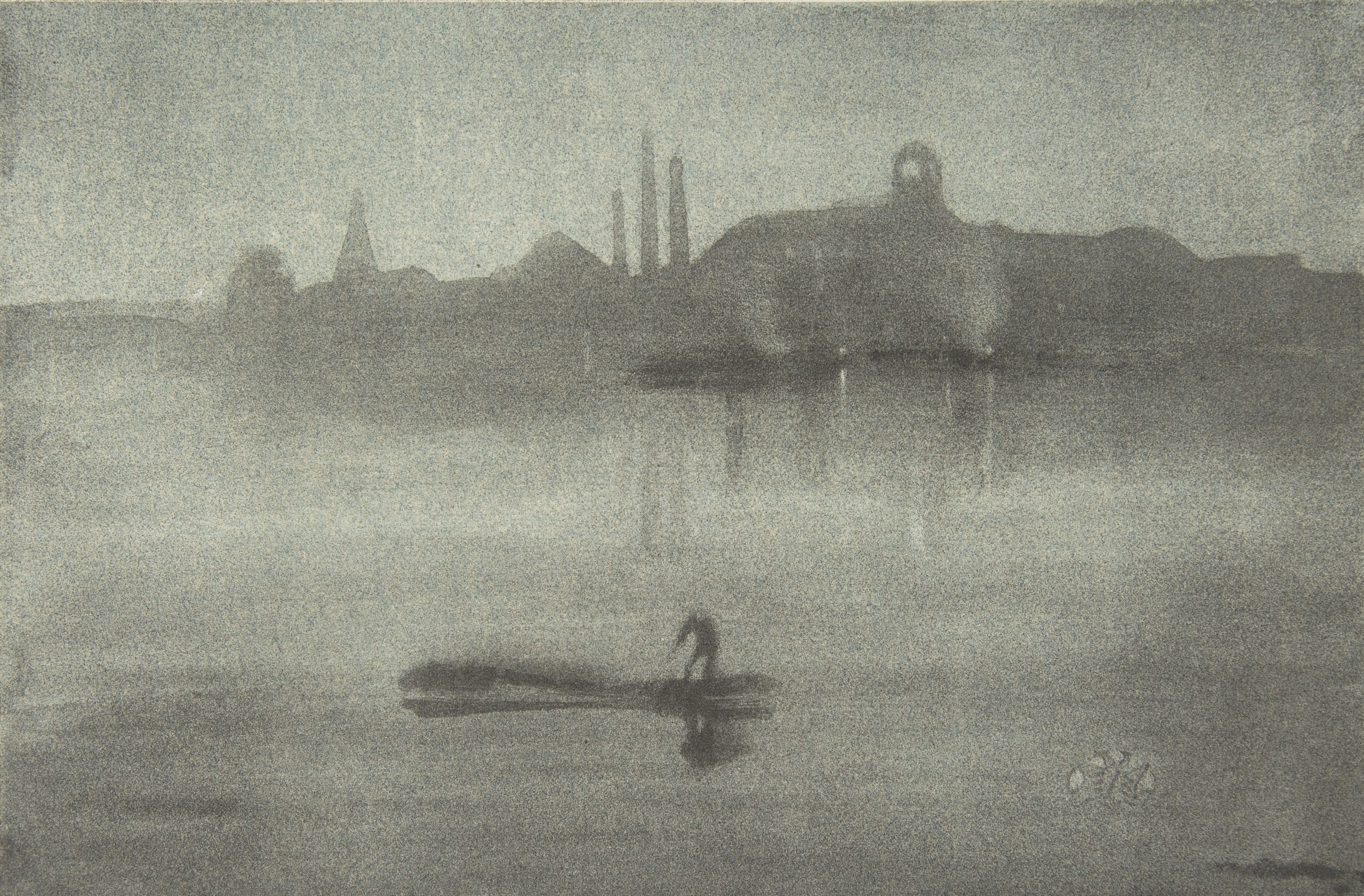
Image: Nocturne (Nocturne: The Thames at Battersea) (1878), James McNeill Whistler American — Lithotint with scraping on a prepared half-tint ground, printed in soft gray-black ink on pale blue laid chine mounted on ivory wove plate paper
So go buy a print and stop to take a closer look at the prints in your local museum.